 Cultivar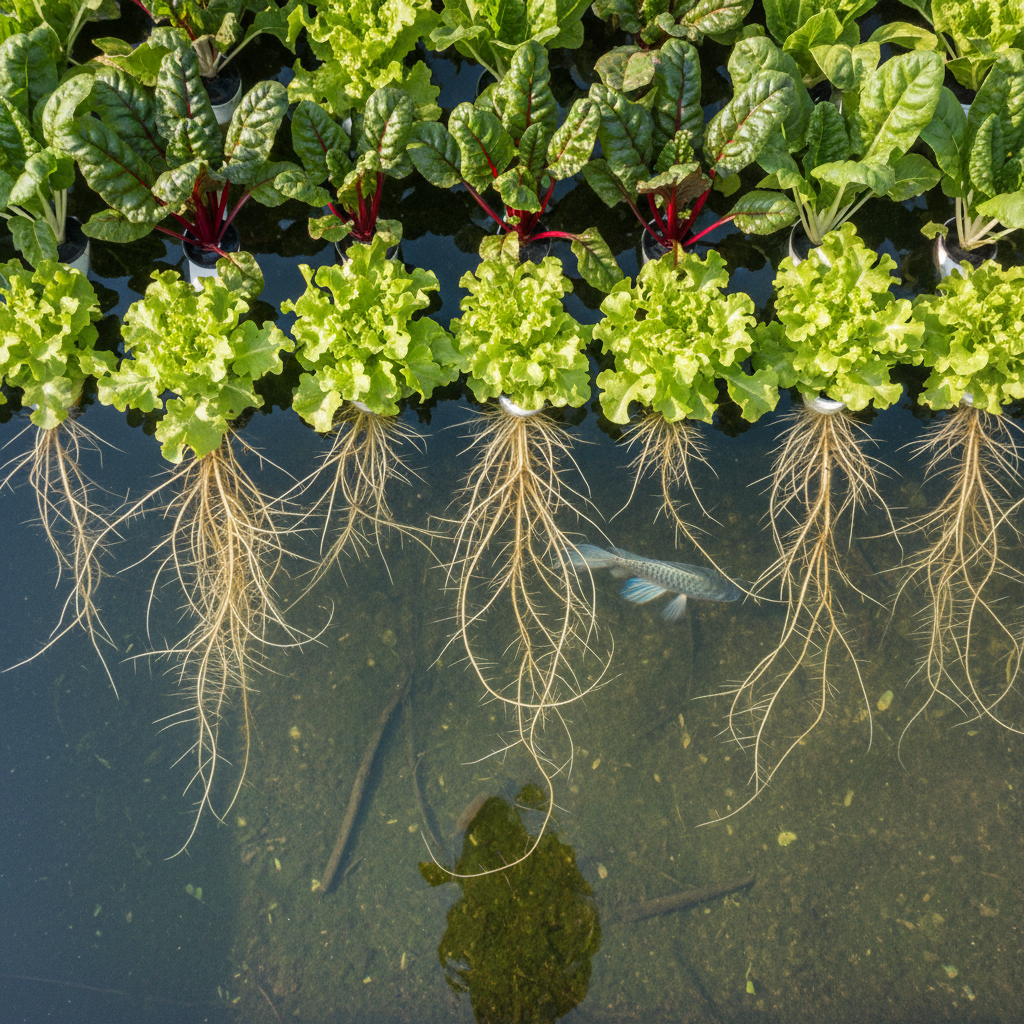
Aquaponics · Portland, Oregon
Fish feed the greens. Greens clean the water. Nothing is wasted.
Summer 2025: Genovese basil, rainbow chard, golden beets
In a converted warehouse outside Portland, tilapia breathe life into butter lettuce. Fish waste becomes plant food. Plant roots clean the water. The whole closed loop hums quietly under grow lights, every day of the year.
12,000sq ft
Growing Space
365days
Harvest Cycle
0pesticides
Ever Used
14°C
Optimal water temp<br/>for tilapia + lettuce
The Closed Loop
A system that feeds itself — and you.
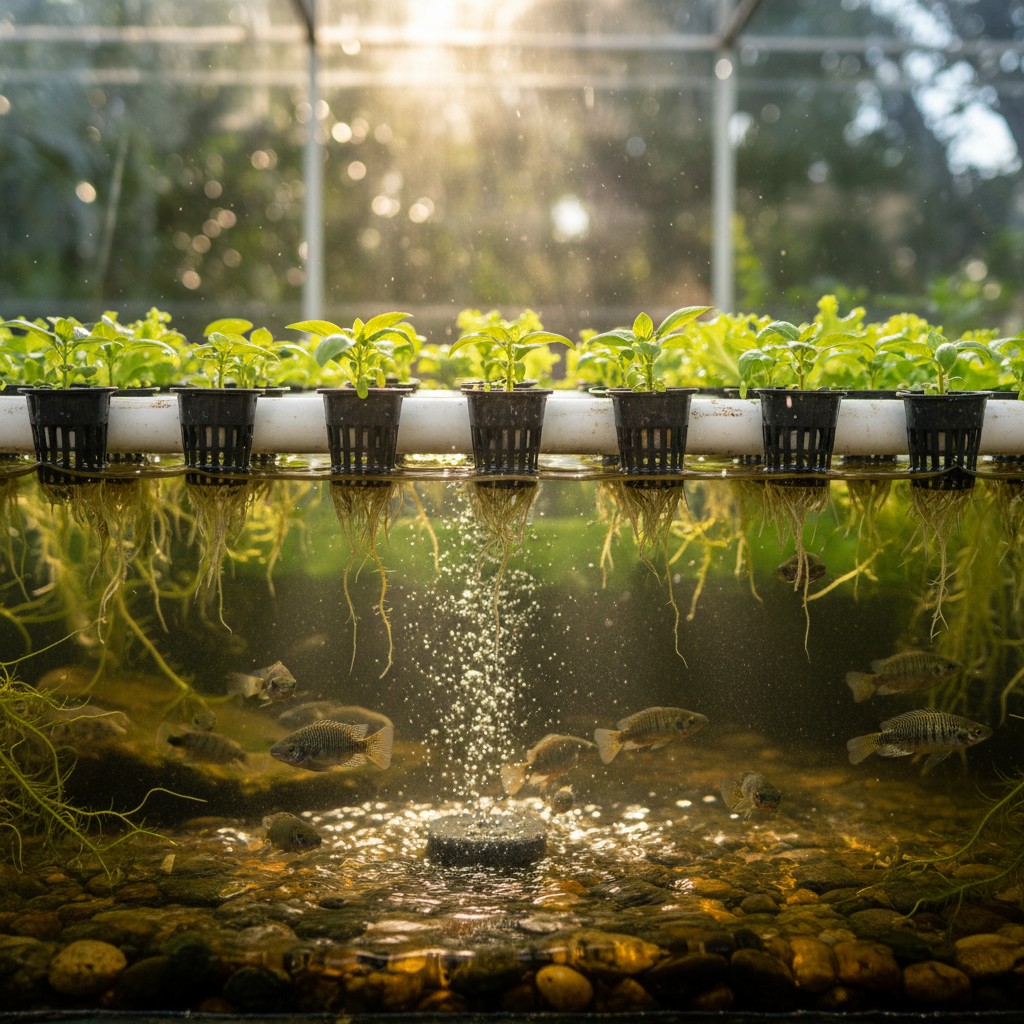
Tilapia fingerlings arrive in spring. Within weeks they're producing ammonia-rich waste that beneficial bacteria convert into nitrates — the exact fertilizer our leafy greens crave. The plants drink it up, filter the water crystal-clear, and it cycles back to the fish. We add fish food. We harvest produce. That's the whole input list.
Fish produce ammonia-rich waste
Bacteria convert ammonia → plant-ready nitrates
Plant roots absorb nutrients, filter water clean
Purified water returns to the fish tanks
than soil farming
Summer — Peak Harvest
What Portland's best kitchens order on Tuesday morning.
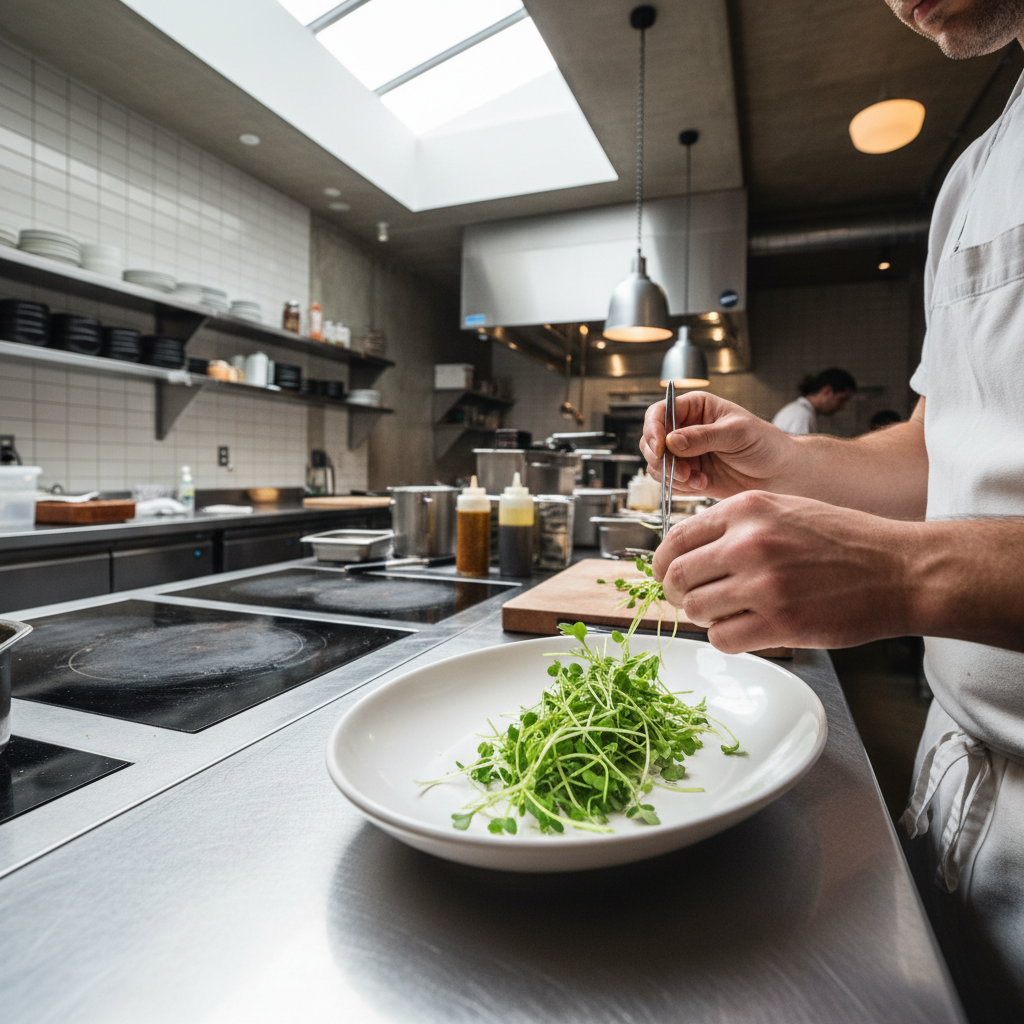
Peak summer means 47 varieties growing simultaneously. Chefs call on Mondays. We harvest at 5am Tuesday. It's on the pass by noon. No cold chain, no distribution centre, no three-week sea voyage from California. Eleven kilometres from farm to kitchen.
47
Varieties in season
6–8h
Avg. hours farm→kitchen
23
Restaurant partners
680kg
Weekly harvest weight
“Cultivar's basil smells like the word basil was invented for it. We get a standing order every Tuesday — it goes directly into our tasting menu that night.”
Priya Nair
Executive Chef, Verdant Table, Portland
“Year-round availability changed how I write menus. I plan around what Marcus is growing, not what the distributor has left.”
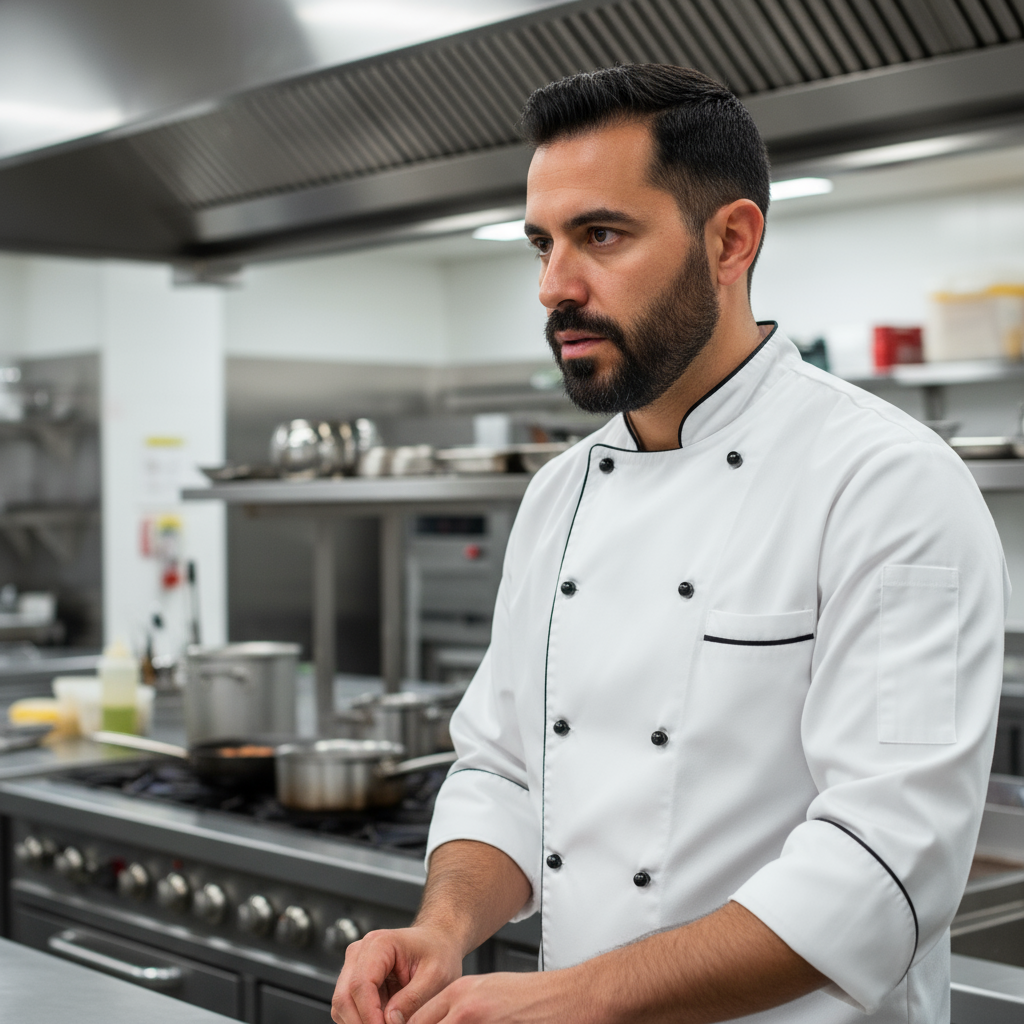
Daniel Weston
Head Chef, The Larder Room, Portland
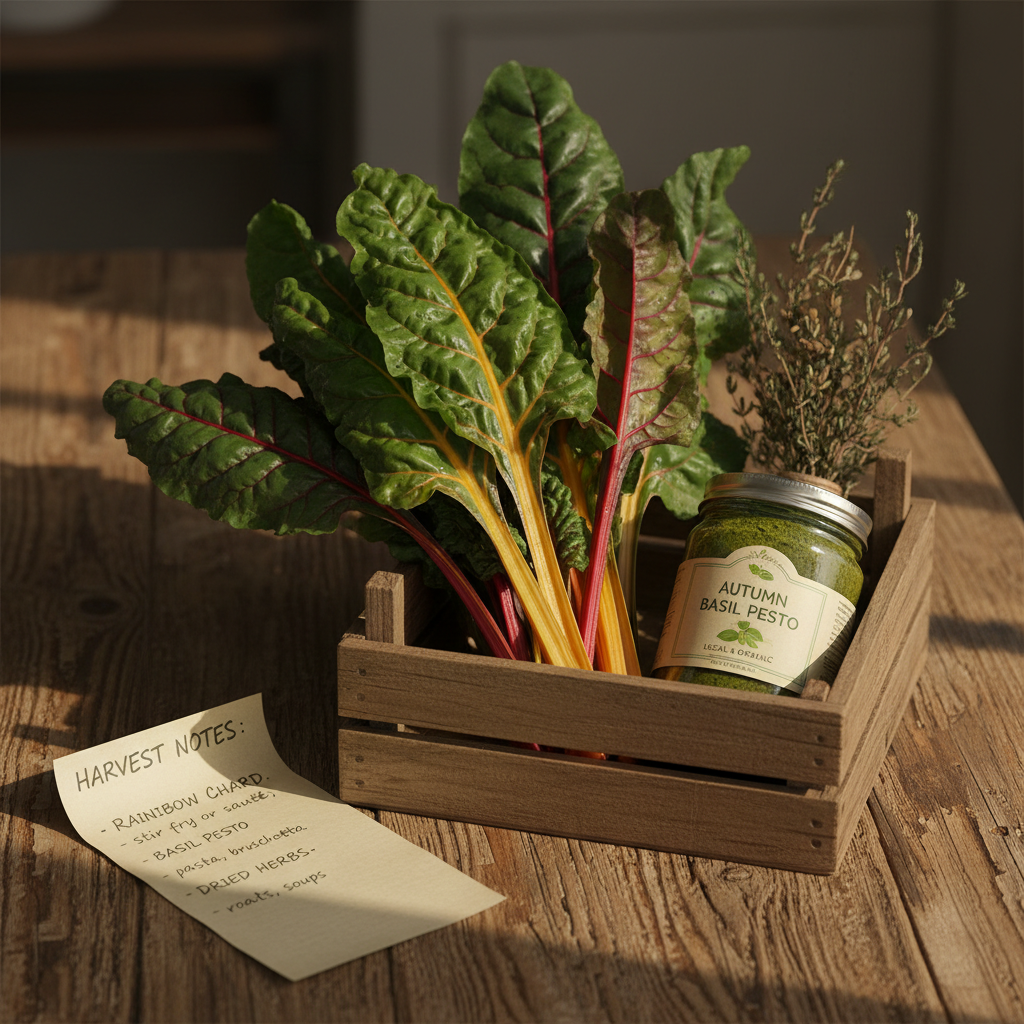
This week's harvest
- Genovese basil
- Rainbow chard
- Oakleaf lettuce
- Thai basil
- Watercress
340+
CSA households<br/>in Portland metro


Autumn — CSA & Community
Produce with a story your kids can trace back to a fish.
Our CSA isn't a box of anonymous vegetables. Every share comes with harvest notes naming the variety, the grow bed, and the week the seeds were planted. Autumn also brings our value-added line — Genovese pesto, dried Thai basil, herb salts — made from the same harvest, nothing added, nothing wasted.
Seedling Share
$38/wk
Perfect for one–two people. 4–5 varieties, enough for a week of salads and one big cook.
- ~600g leafy greens
- Herb bunch (weekly rotation)
- Harvest notes card
Full Canopy
Most popular$65/wk
For households who cook seriously. 7–9 varieties including value-added products.
- ~1.2kg mixed greens
- Herb selection
- Seasonal pesto or dried herb blend
- Farm newsletter
Community Bed
Custom
For schools, co-ops, and community organizations. Includes curriculum materials.
- Bulk weekly order
- Living science curriculum pack
- Monthly farm visit
Winter — The Greenhouse Never Stops
While Portland freezes outside, we're harvesting chard at 5am.
The insulated greenhouse glows gold at dusk against a grey January sky. Inside: 24°C, humid, smelling of basil and wet gravel. Grow lights on a 16-hour cycle. Tilapia circling in 18°C water. The system doesn't know it's winter. Neither does your salad bowl.
90%
Less water than soil farming
0
Pesticides, herbicides, fungicides
11km
Average farm-to-fork distance
100%
Renewable energy powered
For Schools & Districts
Fourteen Portland-area schools use our working ecosystem as a living science curriculum. Students track nitrogen cycles, pH levels, and fish growth across a full academic year.
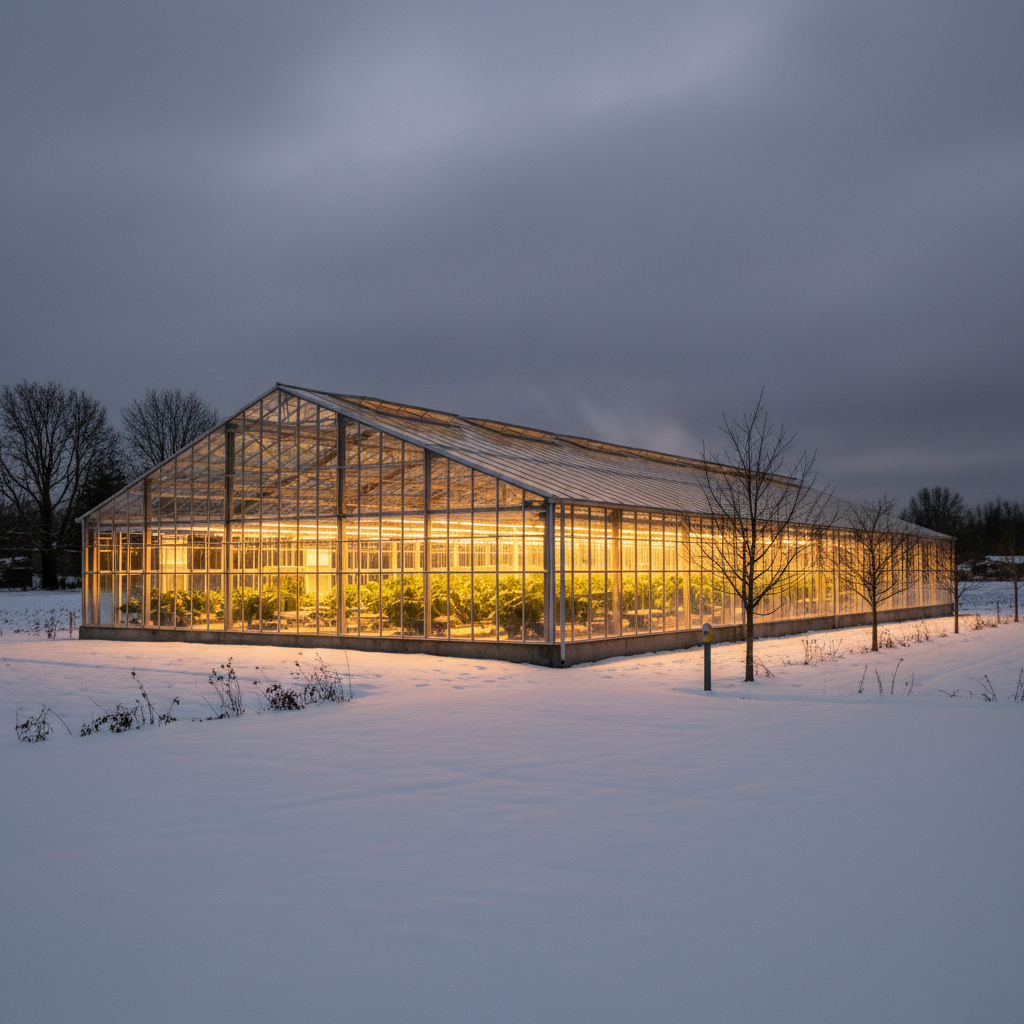
24°C
Inside the greenhouse
2°C
Outside, Portland
Open the greenhouse door
The water is warm.
The basil is ready.
Whether you're a chef sourcing year-round microgreens, a family wanting pesticide-free produce with a real story, or a school building a living science curriculum — this is your farm. Tell us what you need and we'll tell you what's growing.